
01
Integrated nature
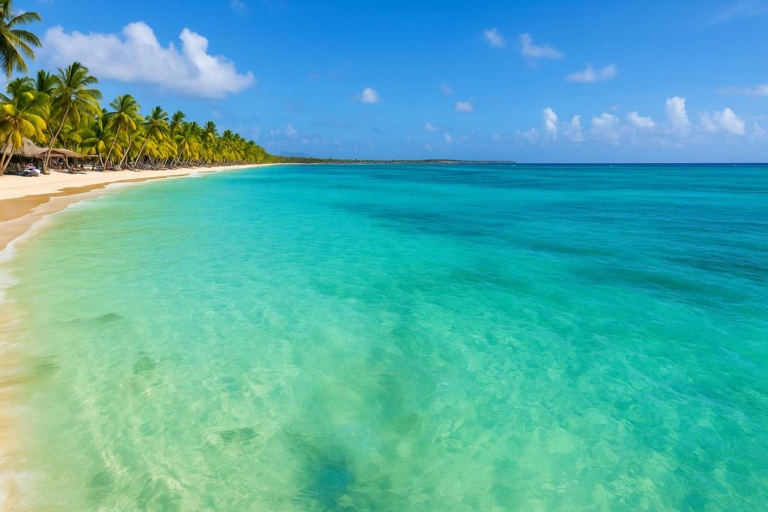
Creating a project that enhances the site without depleting it.
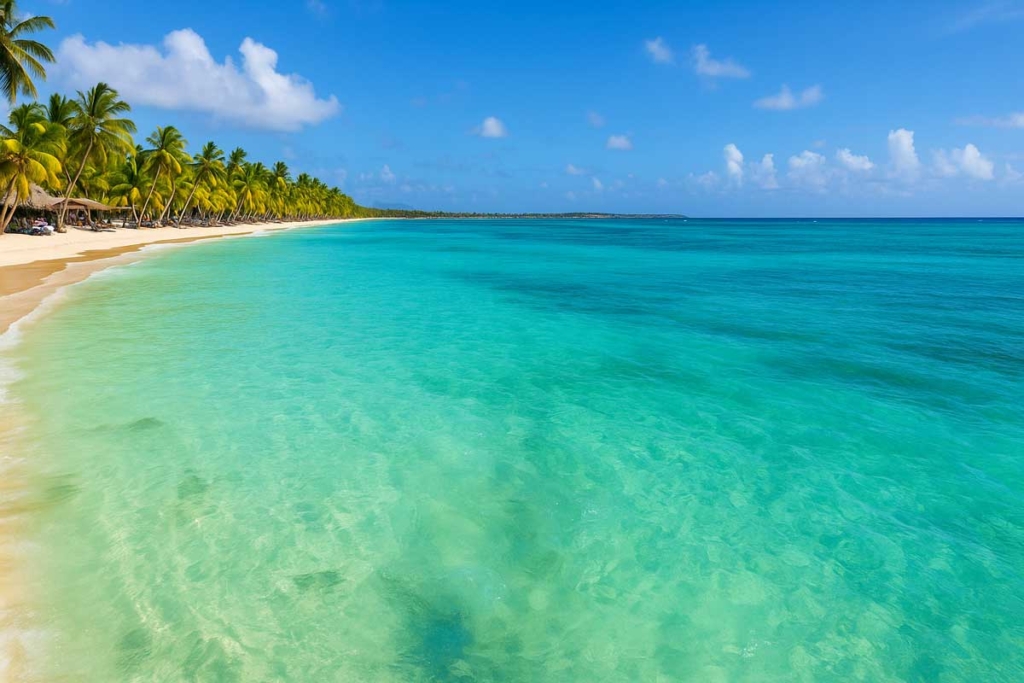
Structuring eco-resort projects in Mauritius takes a precise reading of the location, the land, the environment, the hospitality model and the local conditions needed to turn a sustainable vision into a genuinely executable project.
Start a confidential conversationIn Mauritius, the value of an eco-resort project depends on the balance between nature, experience, land, operating model and local acceptance.
An eco-resort development cannot be reduced to natural architecture or an environmental argument. It has to be conceived as a coherent destination — able to respect the site, attract an international clientele, work economically and move forward within a controlled local framework.
Ohana Heritage supports investors, developers, hospitality groups and family offices in sourcing, qualifying and structuring eco-resort projects in Mauritius, with a strategic, discreet and execution-driven approach.
Sustainability only has value when it stays credible, operable and aligned with the place.
A sustainable vision is not enough. It must be able to be qualified, structured, financed, operated and accepted locally.
Understanding the site, its natural constraints, its limits, its sensitivity, its access and its potential for integration.
Defining a coherent experience across accommodation, dining, wellness, nature, soft mobility and a sense of place.
Connecting the land, owners, operators, advisors, partners and counterparts needed to move the project forward.
Assessing feasibility, costs, permits, operation, potential revenue and the capacity to execute.
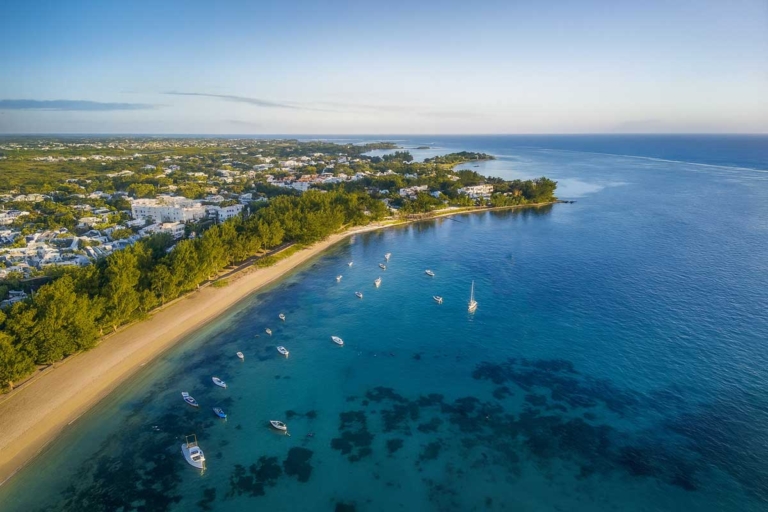
Identifying a site able to carry an eco-resort project without creating a contradiction between ambition, constraints and environment.
Building a clear proposition around nature, calm, hospitality, wellness, local culture and longer stays.
Assessing the operating capacity, the services, the revenue, the seasonality, the management and the partners required.
Understanding the human, administrative, territorial and relational context the project must fit into.
Creating the conditions to progress through the right counterparts, clear structuring and continuous local coordination.
The site, the landscape, the uses, the access, the local culture and the level of preservation become the foundations of the concept.
Creating a project that enhances the site without depleting it.
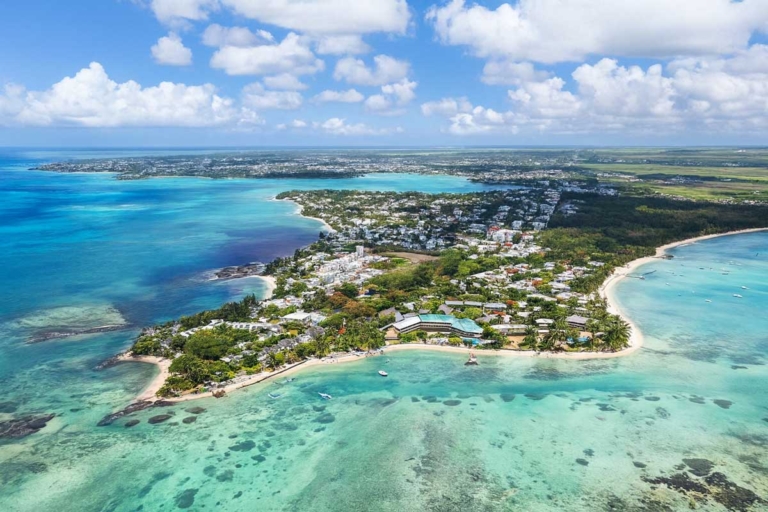
Turning the place into a readable destination for an international clientele.
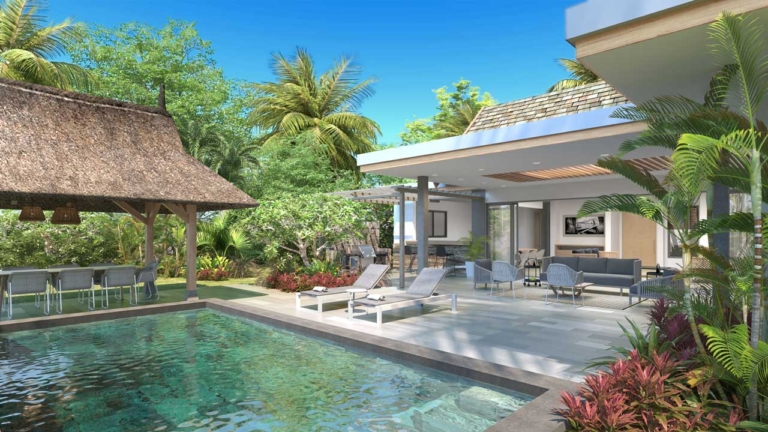
Aligning design, density, use, operation and environmental coherence.
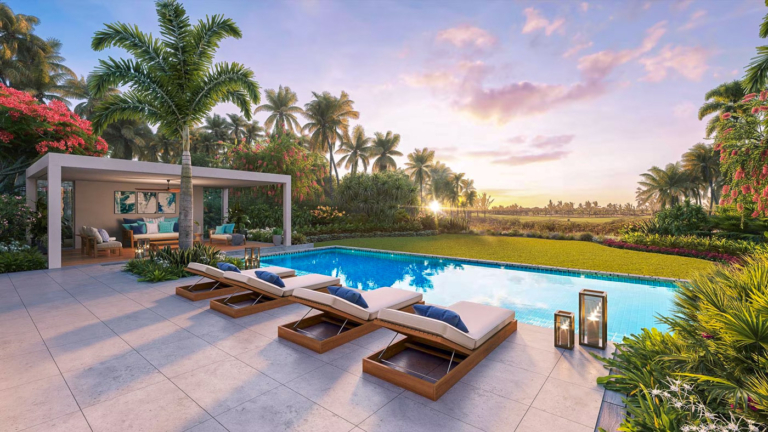
Understanding the project's ambition, the target clientele, the positioning, the sustainable philosophy and the investment logic.
Assessing the land, the natural constraints, the access, the possible uses, the administrative context and local feasibility.
Structuring the experience, the hospitality model, the services, the density, the operation and environmental coherence.
Identifying the owners, operators, architects, advisors, local partners and counterparts able to move the project forward.
Supporting the key steps, reducing the risk of bottlenecks and keeping vision, land, partners and execution aligned.
Eco-resort projects are particularly sensitive: land, environmental, administrative, operational, financial and relational constraints can weaken an otherwise relevant vision.
Ohana Heritage brings a local reading, an operational network and a structuring capacity that allow these projects to be approached with greater clarity, confidentiality and control.